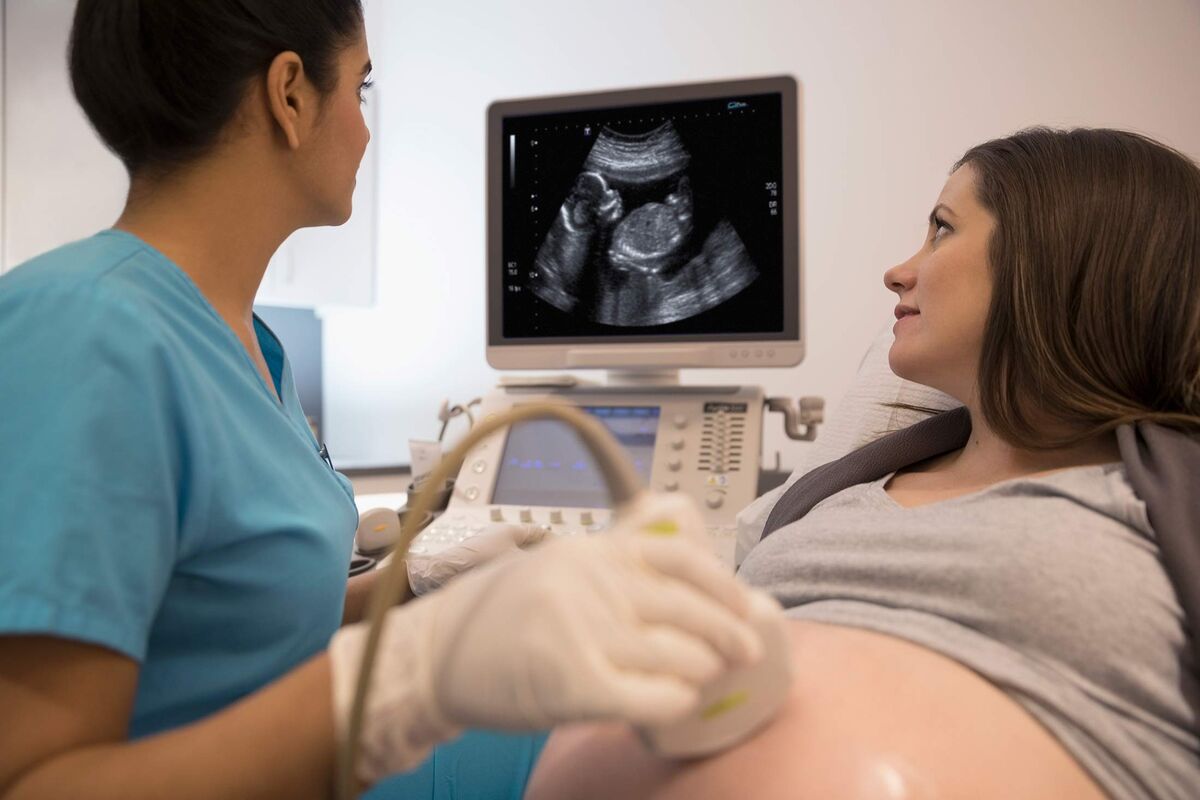
🌟 Introduction
Fetal medicine is a cutting-edge branch of obstetrics that focuses on the health and development of the baby during pregnancy. With advances in technology, doctors can now diagnose, monitor, and sometimes even treat problems in the fetus before birth, giving babies the best possible start in life. This article explores what fetal medicine is, why it matters, and what to expect if you need specialist care.
🤔 What is Fetal Medicine?
Fetal medicine (also called maternal-fetal medicine or perinatology) is the specialty dedicated to the assessment and management of the fetus’s health while still in the womb. Fetal medicine specialists are highly trained doctors who use advanced tools and tests to monitor the fetus, diagnose abnormalities, and guide the safest care for both mother and baby.
🩺 When is Fetal Medicine Needed?
Fetal medicine is recommended in cases such as:
🧬 High-risk pregnancies (e.g., diabetes, hypertension, autoimmune disease)
👶 Suspected birth defects or genetic disorders
👩🦰 Abnormal ultrasound findings
👯♂️ Multiple pregnancies (twins, triplets, etc.)
🩸 Problems with the placenta or amniotic fluid
🤰 Previous pregnancy complications
🧑⚕️ Family history of genetic or congenital diseases
🔎 Main Services and Tests in Fetal Medicine
1️⃣ Ultrasound Scans
🖥️ High-resolution imaging to assess fetal growth, organs, and structures.
First-trimester scan (dating and nuchal translucency)
Second-trimester anomaly scan (detailed fetal anatomy)
Growth scans and Doppler studies (blood flow to fetus/placenta)
2️⃣ Prenatal Screening Tests
🧪 Blood tests and ultrasounds to estimate the risk of chromosomal abnormalities such as Down syndrome, Edwards syndrome, and Patau syndrome.
Double, triple, or quad screening
Non-Invasive Prenatal Testing (NIPT)
3️⃣ Diagnostic Tests
🔬 Direct sampling for definitive diagnosis.
Amniocentesis: Sampling amniotic fluid for genetic testing
Chorionic Villus Sampling (CVS): Early test using placental tissue
Fetal blood sampling: In rare, complex cases
4️⃣ Fetal Therapy and Intervention
🛠️ Some conditions can be treated before birth.
Fetal blood transfusion for anemia
Shunt placement to drain fluid from fetal organs
Laser surgery for twin-to-twin transfusion syndrome
🩻 Fetal Abnormalities: Diagnosis and Management
Early diagnosis of fetal abnormalities allows for:
👨⚕️ Specialist counseling for parents
📝 Planning delivery at the right time and place
🏥 Preparing neonatal teams for immediate care after birth
🛠️ Interventions (in selected cases) that can improve or save the baby’s life
Common abnormalities detected:
Heart defects
Neural tube defects (e.g., spina bifida)
Cleft lip/palate
Skeletal dysplasias
Abdominal wall defects
🏥 The Role of the Fetal Medicine Specialist
A fetal medicine specialist works closely with obstetricians, geneticists, neonatologists, and pediatric surgeons to provide:
👂 Detailed assessment and counseling
📋 Risk evaluation and decision support
🤝 Ongoing support for families during emotional or complex situations
🧑🤝🧑 Multidisciplinary care plans
👩⚕️ Fetal Medicine and Genetic Counseling
Genetic counseling is an essential part of fetal medicine.
👨⚕️ Genetic counselors help families understand test results, risk of recurrence, and make informed decisions about ongoing pregnancy and future planning.
⚠️ Risks, Limitations & Ethical Issues
💉 Some diagnostic tests are invasive and carry a small risk of miscarriage.
🕵️ Not all problems can be detected before birth—limitations exist.
❓ Ethical dilemmas: When to intervene, continue, or end a pregnancy is sometimes complex and deeply personal.
🚀 Recent Advances in Fetal Medicine
🌐 Non-invasive prenatal testing (NIPT): Uses maternal blood, high accuracy, no miscarriage risk
🧬 Molecular genetic diagnosis: Detects single-gene disorders early
🦾 Fetal surgery: Correction of selected defects (e.g., spina bifida) before birth
🖥️ 3D/4D Ultrasound: Clearer, more detailed imaging for diagnosis and parental bonding
💡 Tips for Expecting Parents
📝 Attend all recommended scans and check-ups
🧑⚕️ Ask questions if anything is unclear
❤️ Seek support—emotional health matters too
🧘 Manage stress and look after your general health
👩👧👦 Involve family in appointments for support
❓ Frequently Asked Questions (FAQs)
Q1: Is fetal medicine only for high-risk pregnancies?
No, many routine pregnancies benefit from fetal medicine assessments, especially ultrasound scans.
Q2: Are all tests safe for the baby?
Most are very safe; invasive procedures carry small risks but are only recommended when necessary.
Q3: Can all fetal abnormalities be treated?
Not all, but early detection allows for better planning, care, and, in some cases, treatment.
Q4: What should I do if my doctor refers me to a fetal medicine unit?
Stay calm, attend the appointment, and remember that a referral often means more detailed care, not always bad news.
📝 Conclusion
Fetal medicine has revolutionized prenatal care, offering hope, reassurance, and sometimes life-saving treatments for unborn babies. By combining advanced diagnostics with compassionate counseling, fetal medicine specialists help parents make informed decisions and ensure the best outcomes for both mother and child. If you have concerns during pregnancy or need specialist care, don’t hesitate to ask your healthcare provider about a referral to fetal medicine.
👶 Every baby deserves the best start—fetal medicine makes it possible! 👶
Comments (0)
Categories
Recent posts
.png)
✨ Egyptian Society of Endoscopic ...
29 May 2025
How To Teach Your Kid Easily
1 Jul 2021
🌷 Urogynaecology: Understanding ...
24 May 2025