🌟 Introduction
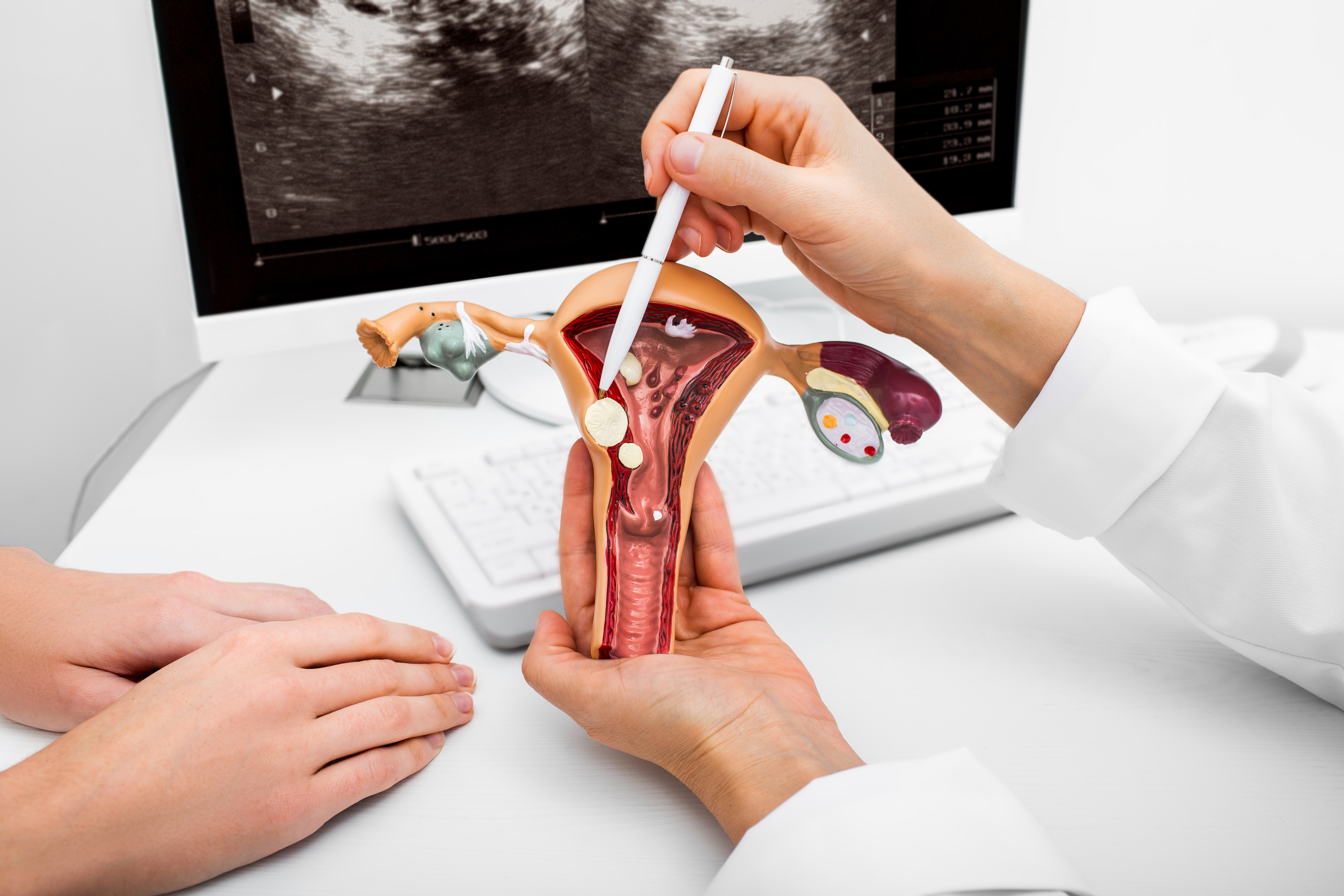
Urogynaecology is a specialized field of medicine that focuses on the diagnosis and treatment of pelvic floor disorders in women. These conditions affect millions worldwide, often impacting quality of life, daily activities, and emotional well-being. Urogynaecologists are experts in both urology and gynaecology, providing holistic care for women’s most intimate health concerns.
🤔 What is Urogynaecology?
Urogynaecology (also known as Female Pelvic Medicine and Reconstructive Surgery) bridges the gap between urology and gynaecology. It deals with problems of the female pelvic organs, the muscles and connective tissue that support them, and associated urinary and bowel issues.
🔎 Common Urogynaecological Conditions
1️⃣ Urinary Incontinence
💧 Involuntary leakage of urine.
Stress incontinence: Leaking urine when sneezing, coughing, or exercising.
Urge incontinence: Sudden, intense urge to urinate followed by leakage.
Mixed incontinence: Combination of both.
2️⃣ Pelvic Organ Prolapse
⬇️ Descent of pelvic organs (bladder, uterus, rectum) into or out of the vagina.
Symptoms: Vaginal bulge, pressure, discomfort, or difficulties with urination or bowel movements.
3️⃣ Overactive Bladder (OAB)
⚡ Frequent, urgent need to urinate, often with leakage.
4️⃣ Recurrent Urinary Tract Infections (UTIs)
🦠 Frequent bladder infections causing burning, urgency, and discomfort.
5️⃣ Fistulas and Pelvic Floor Disorders
🔗 Abnormal connections between organs (e.g., bladder and vagina), or muscle/nerve problems leading to dysfunction.
🩺 Causes & Risk Factors
👩 Childbirth (especially vaginal delivery)
🧓 Aging and menopause
🏋️ Chronic heavy lifting or straining
⚖️ Obesity
🧬 Genetic predisposition
🤕 Pelvic surgery or trauma
💊 Chronic medical conditions (e.g., diabetes, connective tissue disorders)
🩻 Diagnosis & Evaluation
A urogynaecologist uses a combination of:
🩺 Detailed medical history & symptom questionnaire
🧑⚕️ Physical examination, including pelvic floor assessment
💧 Bladder diary (tracking fluid intake and urination)
🔬 Urinalysis and urine cultures
🖥️ Urodynamic studies (tests to assess bladder and urethra function)
🩻 Imaging tests (ultrasound, MRI if needed)
🔦 Cystoscopy (visual inspection of the bladder)
🛠️ Treatment Options
Urogynaecology offers a wide spectrum of treatments, often starting with the least invasive:
1️⃣ Lifestyle Modifications
🥗 Diet, weight loss, reducing caffeine/alcohol, managing constipation.
2️⃣ Pelvic Floor Physical Therapy
🧘 Exercises (Kegels), biofeedback, and muscle retraining to strengthen the pelvic floor.
3️⃣ Medications
💊 Bladder relaxants, topical oestrogen, or other drugs for specific symptoms.
4️⃣ Devices
🌸 Vaginal pessaries for prolapse or incontinence (small devices placed inside the vagina to provide support).
5️⃣ Minimally Invasive Procedures
🔗 Injections (bulking agents), urethral slings, bladder Botox, nerve stimulation.
6️⃣ Surgery
🔪 For severe or persistent cases—options include prolapse repair, sling procedures for incontinence, or fistula repair.
🏆 Latest Advances in Urogynaecology
🤖 Robotic and laparoscopic surgery for faster recovery and less pain
🌐 Telemedicine for consultation and follow-up
🧬 Biological mesh and graft materials for prolapse repair
⚡ Neuromodulation devices for bladder control
💡 Tips for a Healthy Pelvic Floor
🚶♀️ Stay active and maintain a healthy weight
💧 Drink enough water, but avoid bladder irritants
🧘 Practice regular pelvic floor exercises (Kegels)
🚫 Don’t delay urination for long periods
🥦 Manage constipation with diet and fiber
❓ Frequently Asked Questions (FAQs)
Q1: Is pelvic floor dysfunction a normal part of aging?
No, while more common with age, it is not “normal” and can often be treated.
Q2: Are these conditions life-threatening?
They are usually not dangerous but can severely impact quality of life and mental health.
Q3: Should I see a specialist?
Yes, if you have persistent leakage, prolapse, pain, or recurrent infections, consult a urogynaecologist.
Q4: Can young women develop pelvic floor problems?
Yes, especially after childbirth or certain surgeries.
Q5: Are treatments effective?
Most women experience significant improvement or even cure with modern therapies.
📝 Conclusion
Urogynaecology is a vital field that restores confidence and well-being for women living with pelvic floor disorders. Early diagnosis and personalized treatment can dramatically improve daily life, intimacy, and self-esteem. If you’re facing symptoms like incontinence, prolapse, or pelvic pain, don’t hesitate to seek help from a urogynaecology specialist—your health and comfort matter.
🌺 Restore Comfort, Regain Confidence – Urogynaecology Makes It Possible! 🌺
Comments (0)
Categories
Recent posts
.png)
✨ Egyptian Society of Endoscopic ...
29 May 2025
How To Teach Your Kid Easily
1 Jul 2021
🌷 Urogynaecology: Understanding ...
24 May 2025